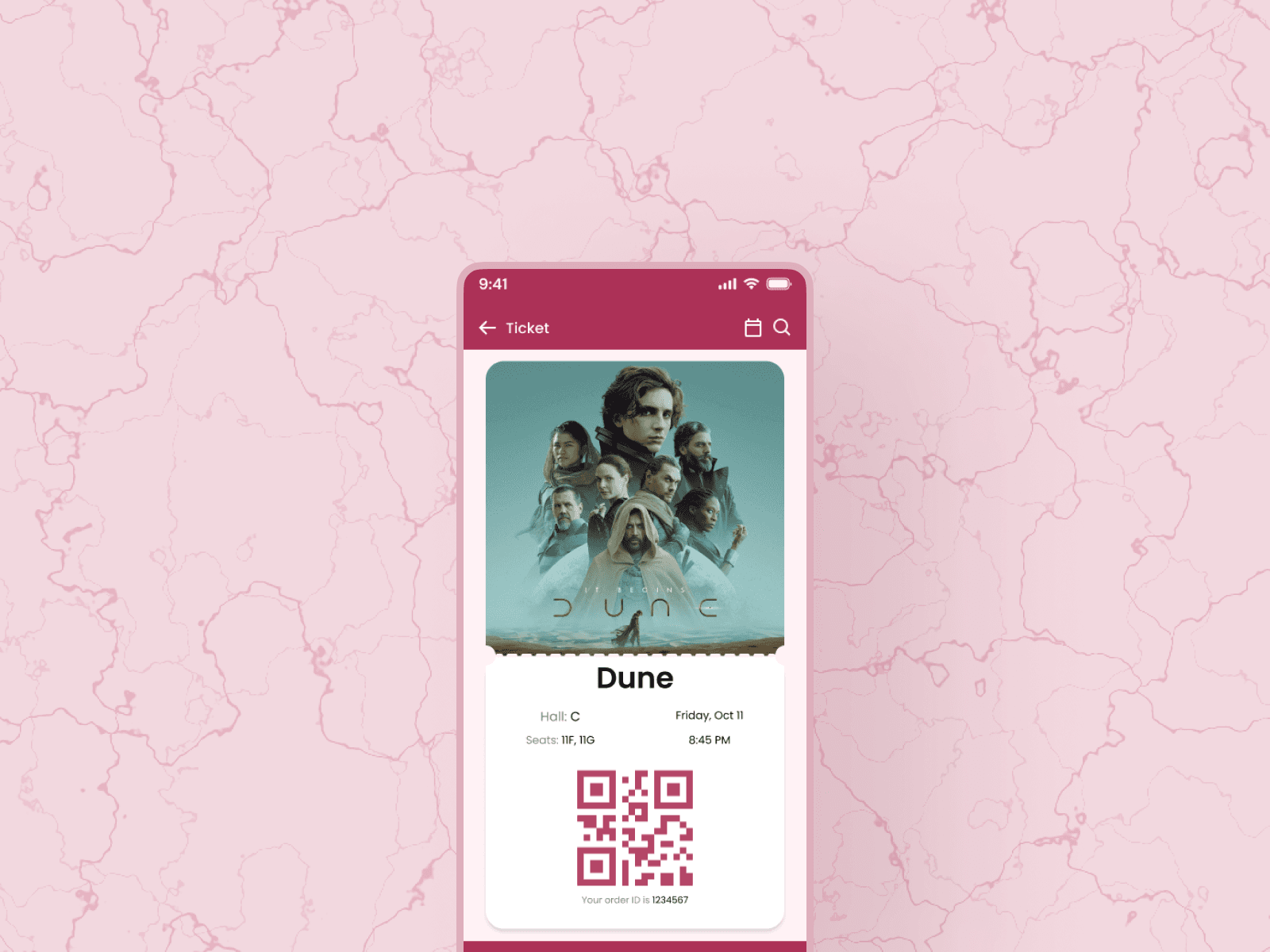
Digital Vaccination Card
Jun 17, 2022
The Digital Vaccination Card project was part of the Vacúnate RD ecosystem, created to manage the vaccination program against COVID-19 in the Dominican Republic, reaching more than 7 million people. This module was developed to facilitate access to the vaccination card digitally, complementing the physical format and solving problems such as loss, deterioration or forgery of the cards.

Problem Statement
The physical format of the vaccination cards was susceptible to damage, loss or forgery. In a context where mobility restrictions and health requirements were strict, it was difficult for individuals to obtain a card again in case of loss. In addition, the lack of a QR code made quick and secure validation difficult, hindering entry to institutions and international travel.
Objectives
Create a digital vaccination card accessible at any time, allowing users to obtain an exportable, printable PDF version with a QR code to validate the information.
Incorporate international standards for card validation, facilitating its use in international travel.
Allow the card to be easily applied for online, to avoid unnecessary travel and improve the user experience.
Design an associated digital wallet, allowing the card to be available on any mobile device.

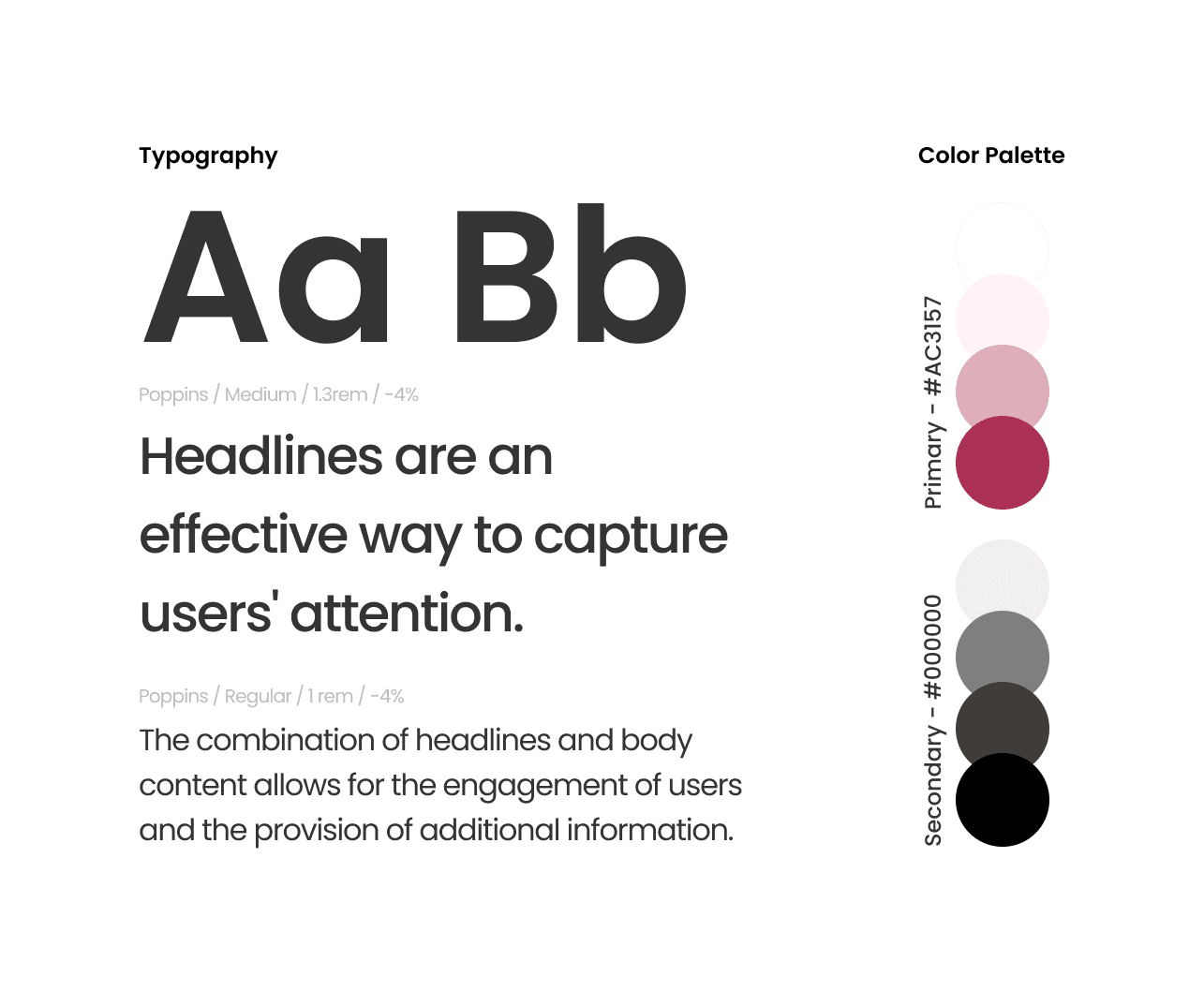
Typography
I conducted a competitive analysis of existing cinema apps in the Caribbean region, including Caribbean Cinemas and Palacio del Cine, two of the top players in the market.
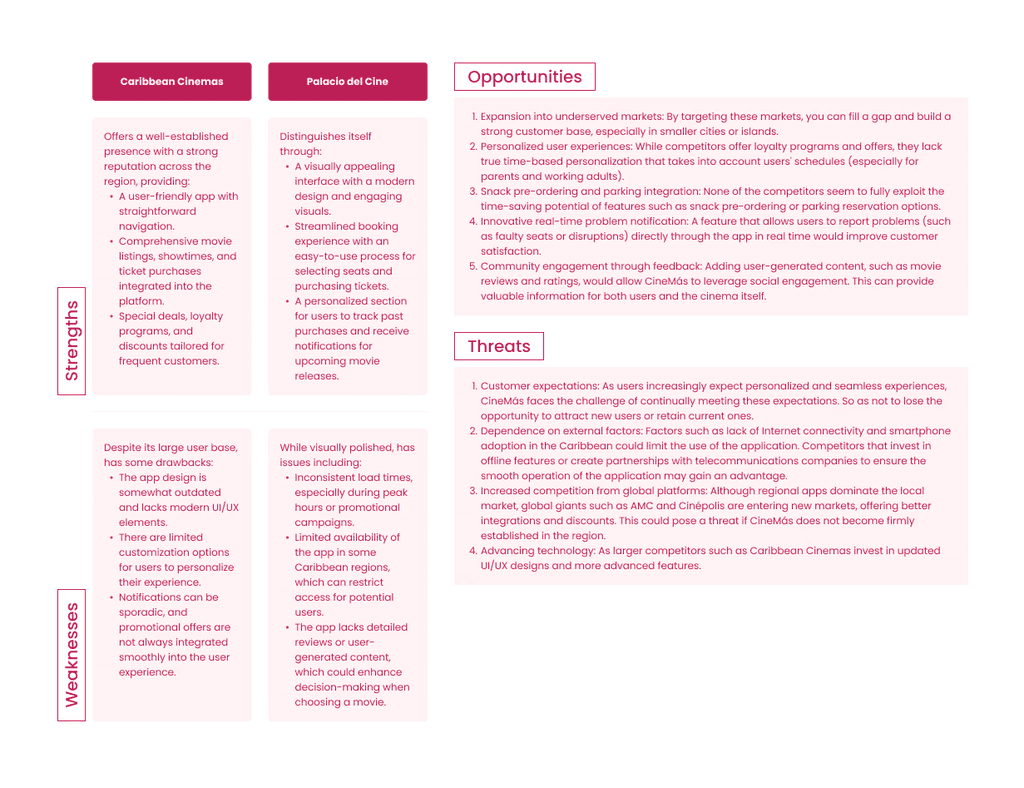
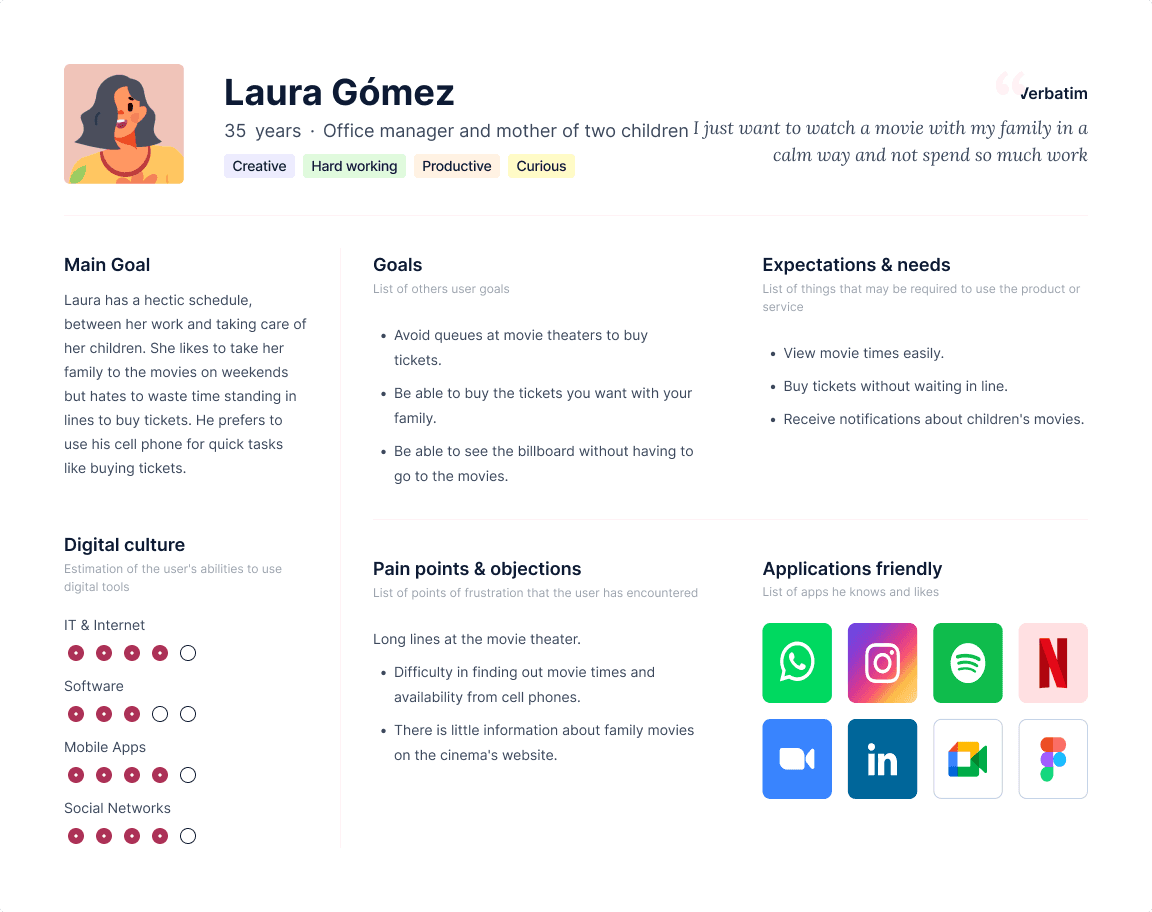
Interviews were conducted with target users and empathy maps were created to understand their needs. From this research, it was identified that the primary users were working adults and parents looking to save time and simplify the ticket-buying experience. In addition, observations on how family and work obligations limited their entertainment options were included.
User Persona
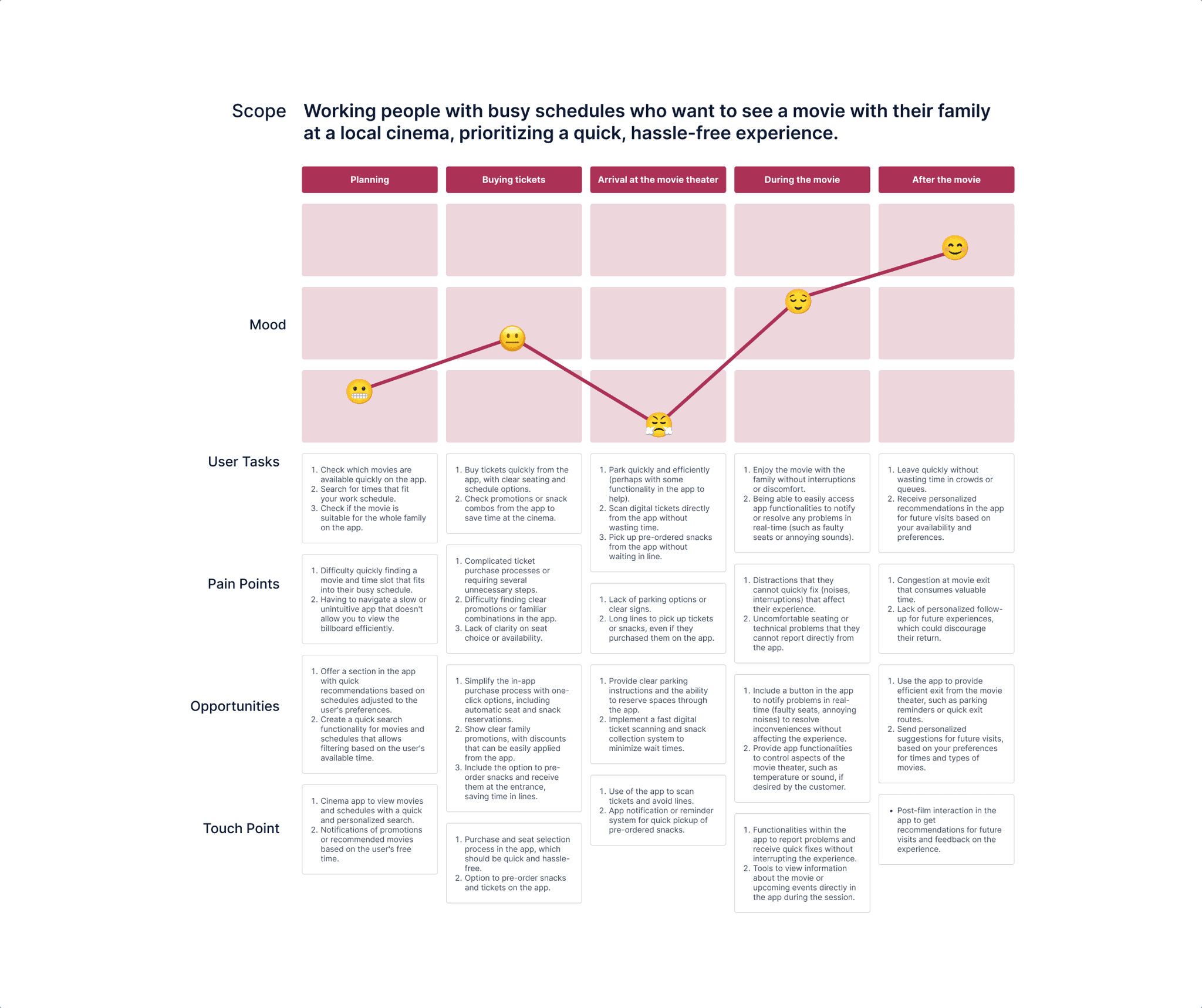
User Journey Map
Insights
Lack of portability: Physical cards were easily misplaced or damaged, and replacement was complicated due to mobility restrictions.
Slow validation: The absence of a QR code made quick validation at checkpoints difficult.
Risk of counterfeiting: The physical card was frequently counterfeited.
International need: For travel and access to institutions, an internationally recognized card with accepted validation standards was essential.
The research revealed that time is one of the most critical factors for users. Many users want to simplify the purchase process and receive personalized updates on movies of interest to them. In addition, parents are looking for an interface that allows them to check the availability of children's movies quickly.
Design Process
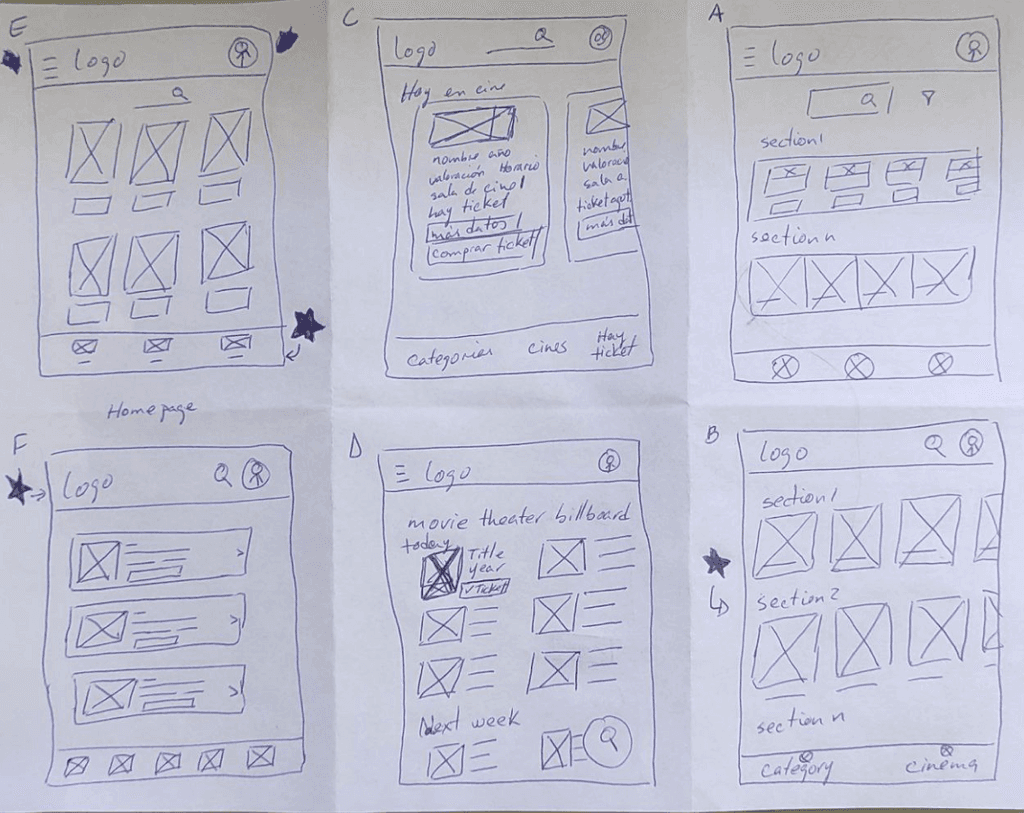
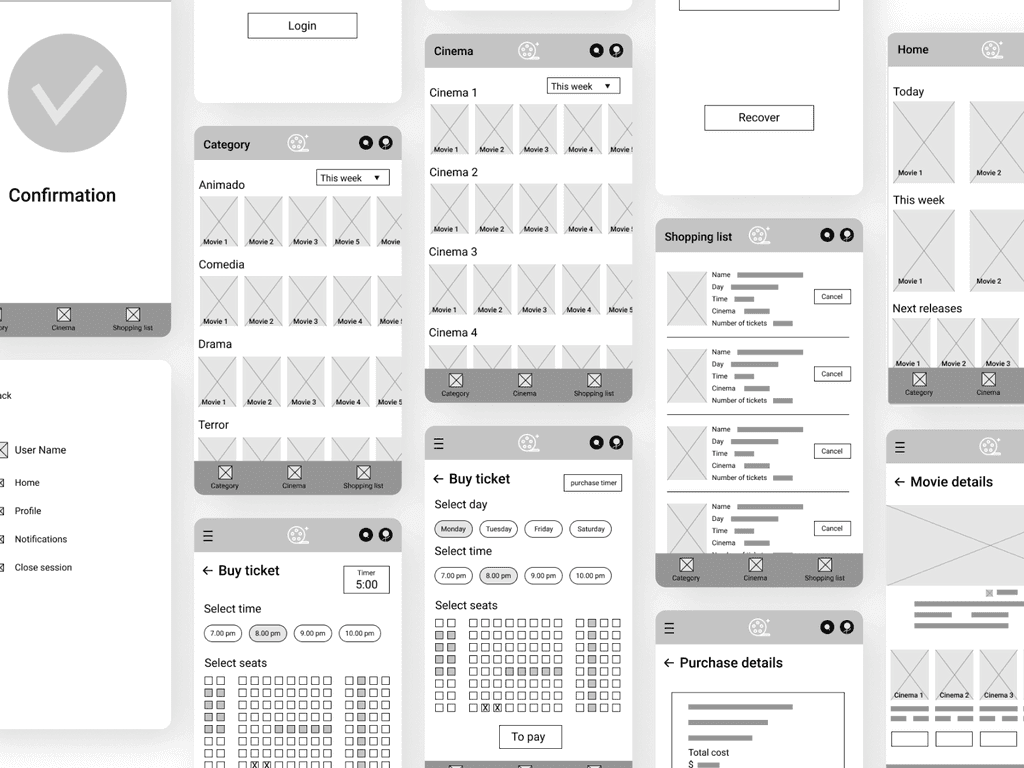
Wireframes and prototypes
Several iterations were created to ensure that the interface was intuitive and easy to use for both applying and viewing the card.
Visual Design
Digital Card: Includes user data, vaccine doses received (type, dates, and doses), and a QR code that allows for quick validation.
PDF Export: For those who needed a physical copy, a printable version was created with the design and international standards.
Digital Wallet: Implementation of the card in a wallet for mobile devices, allowing quick access at any time.
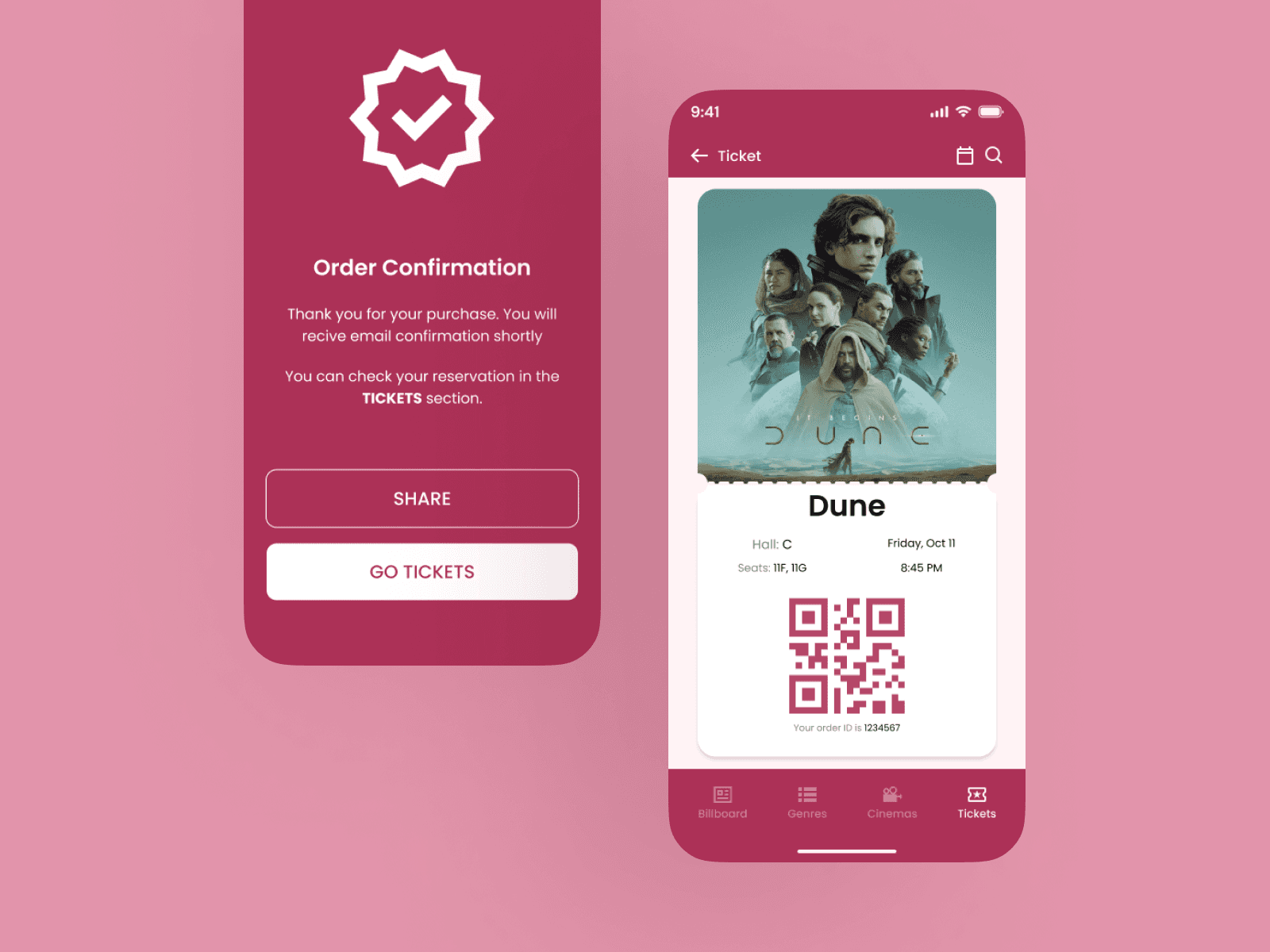
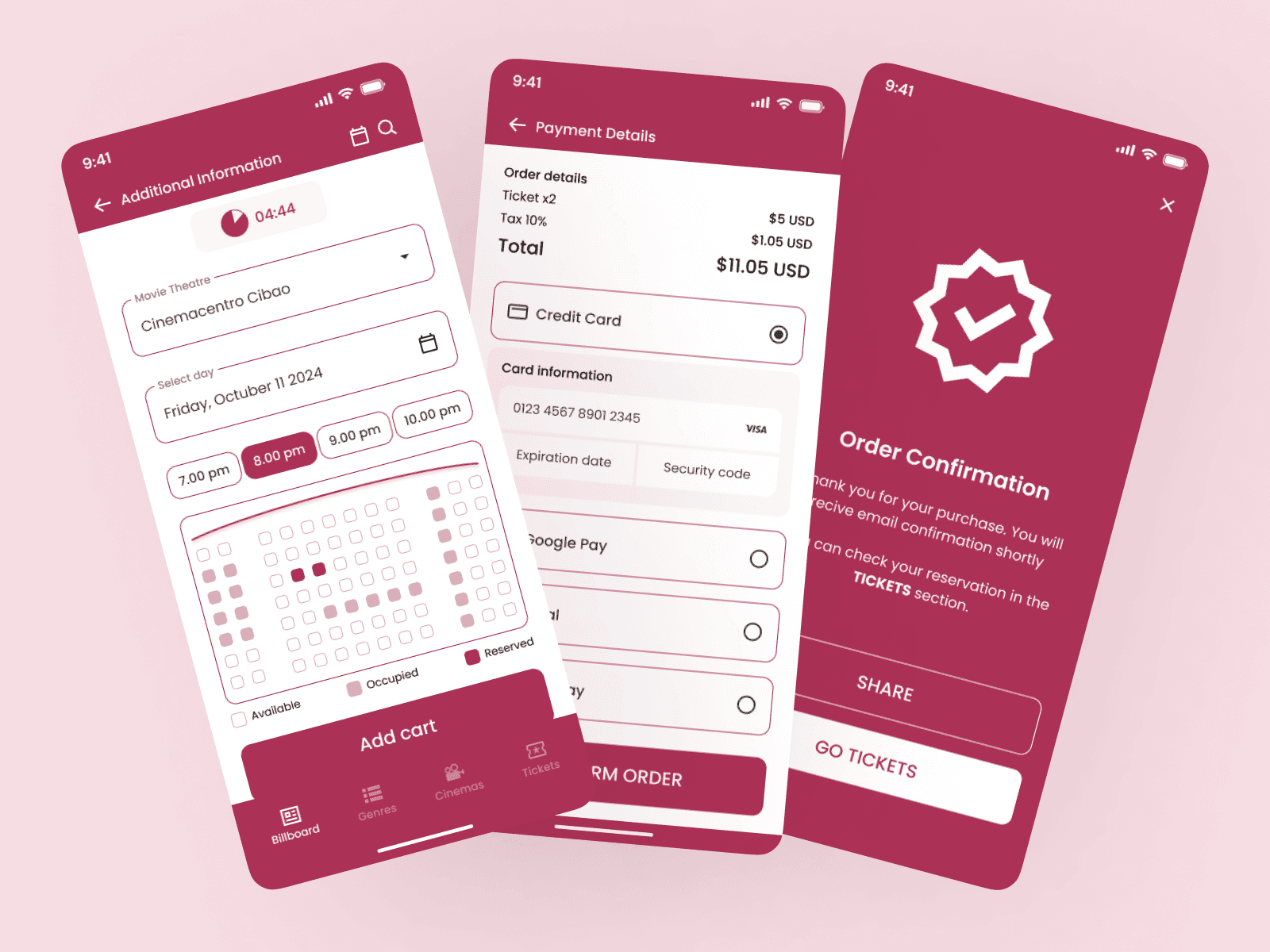
Final Design
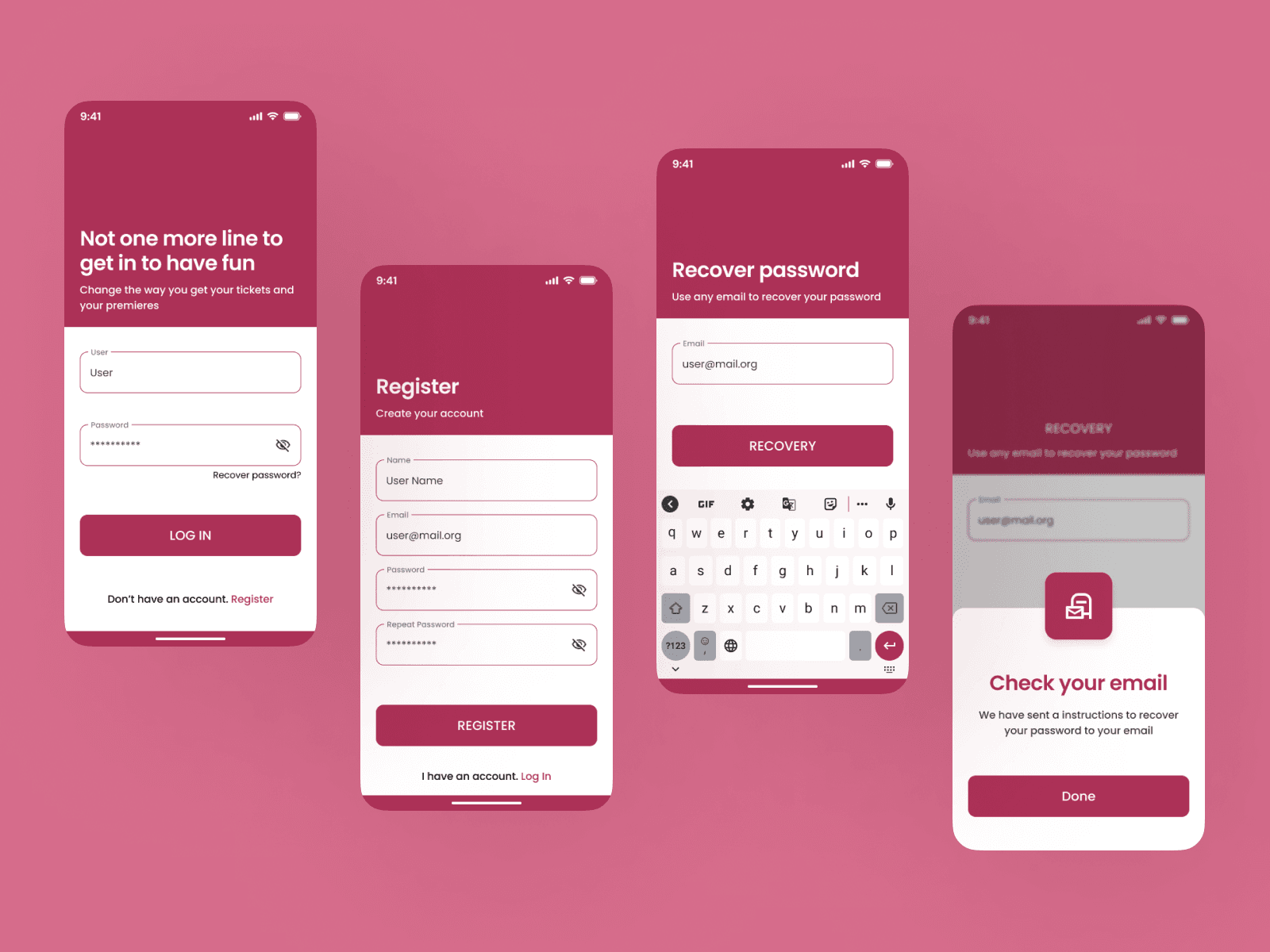
Expected Results
The final design of the Digital Vaccination Card solved the initial problems posed: Immediate digital access: The card could be requested and downloaded as many times as necessary, eliminating the need to rely on the physical format. Fast and secure validation: Thanks to the QR code and international standards, the card was accepted for travel and in institutions requiring proof of vaccination. Adaptability: The design was adjusted to mobile and web formats, and the option to export in PDF allowed a flexible experience for users who preferred a physical version.
Lessons Learned
Simplicity of access: The possibility of applying for the card online greatly simplified the process for users, which was a key factor in its success.
International standards: Adopting international validation standards from the beginning allowed the product to be robust and useful beyond the local context.
Importance of user experience: Designing an intuitive interface for both the application and card display was essential for widespread acceptance and use of the system.